A photograph can show you a place, but a video can show you what it feels like to be there.
That’s a big difference for the senior living industry.
A family researching communities online is trying to imagine something they likely haven’t experienced yet.
They want to know what the building looks like, but they also want to know: What are the people like? What does a normal day feel like? Will Mom feel comfortable here? Will Dad make friends? Will the staff treat him well?
Those are emotional questions. Video gives you a way to answer them in a way that photography and written marketing copy simply can’t.
A Building Tour Isn’t the Same as Showing the Experience
A community tour video can be useful and certainly has it’s place in the value chain. But, a video that simply moves someone through the lobby, dining room, apartment and courtyard doesn’t tell the whole story.
In fact, it lacks an element of story completely. It really only shows the building.
What if you also showed a caregiver laughing with a resident, two friends having coffee, a chef talking about why the dining program matters, a resident explaining how they spend their afternoons, or a family member talking about what made them comfortable choosing the community?
Now you’re going deeper… Building trust, relating, and showing the experience.
Start With the People
If you’re considering adding video to your senior living marketing, start with people rather than places.
Resident Testimonials
Ask residents about their actual experience. Why did they move? What were they worried about? What surprised them? What do they enjoy? What advice would they tell someone considering a move?
The goal isn’t to get a scripted endorsement. The goal is to let someone tell their own story.
Family Testimonials
Family members can answer a different set of questions. What was the decision process like? What were they worried about? What helped them choose? What changed after their parent moved in?
These stories can be valuable because they’re coming from someone who has already been through the decision.
Staff Stories
Families want to know who will be caring for their loved ones.
So introduce those people.
A caregiver explaining why they’ve stayed for ten years can tell a prospective family something a staff bio can’t. A dining director talking about how they get to know residents’ preferences can make the dining experience feel more personal.
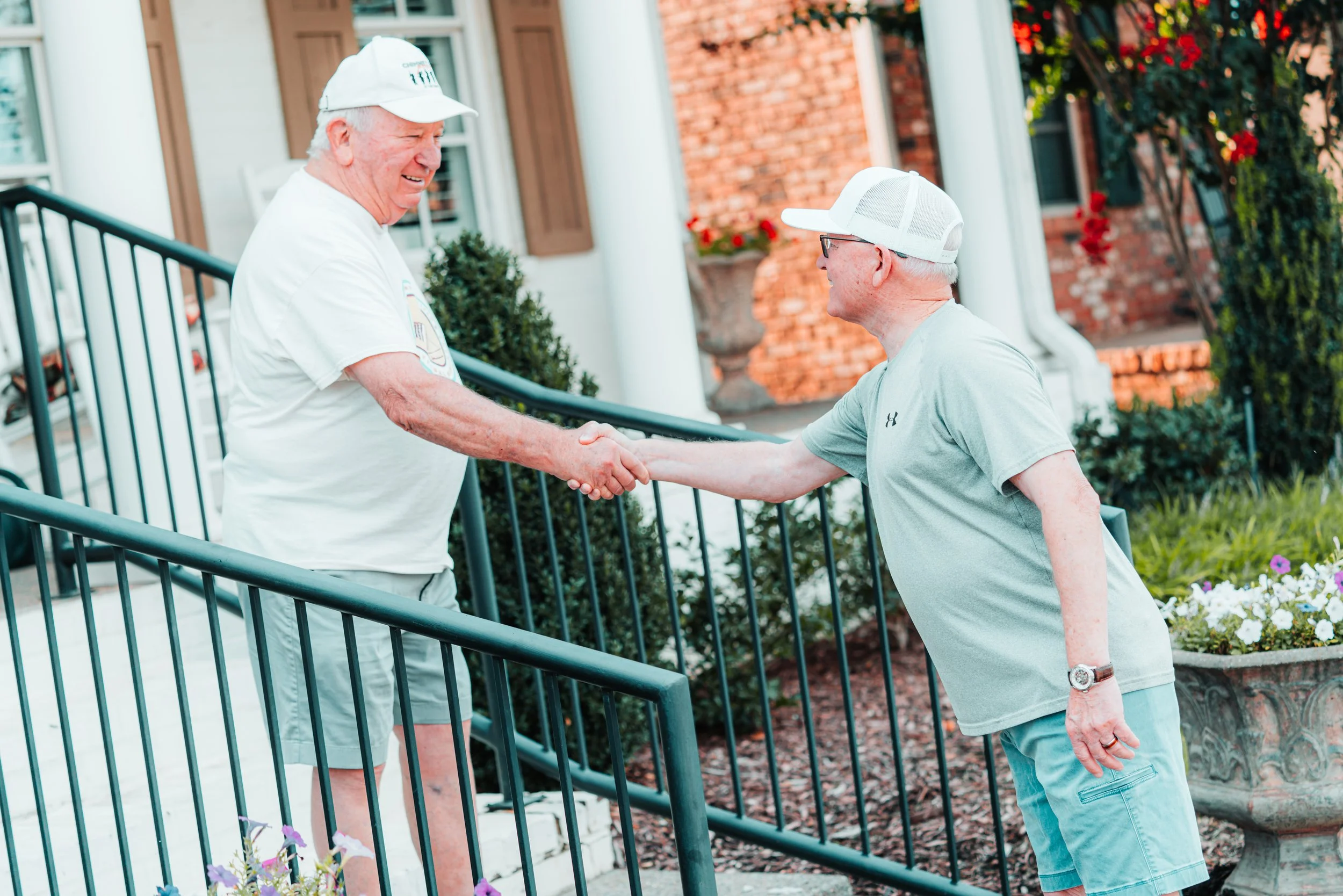
Video gives people a chance to hear directly from the humans behind the brand. Again - a deeper connection is being formed.
Show a Normal Day
Show what happens during a normal day, not just the big event, holiday party, or ribbon cutting.
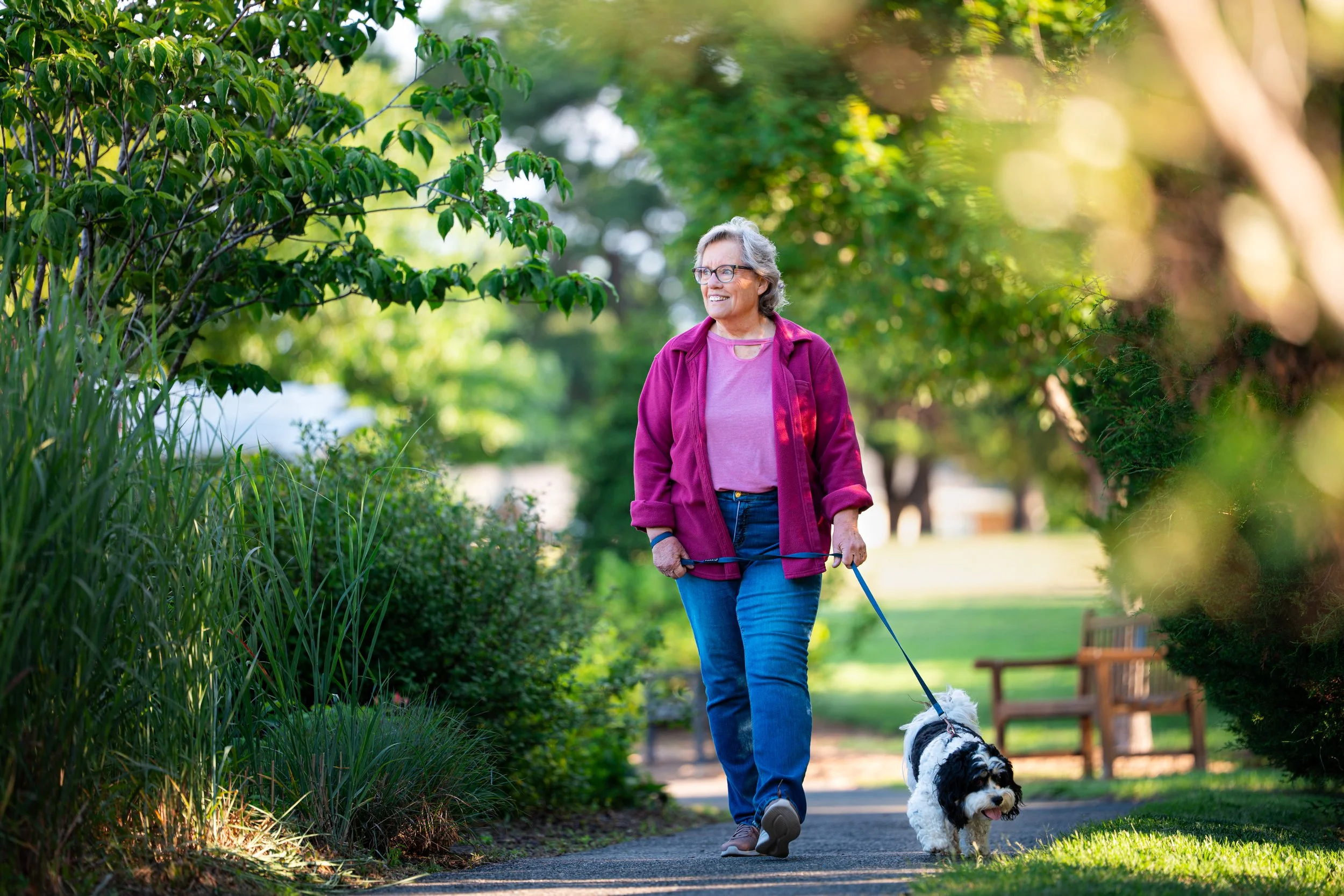
Show breakfast. Show activities. Show conversations. Show someone walking through the garden. Show a resident getting ready for an activity. Show staff interacting with residents. Show people laughing.
Those are the moments families are trying to picture.
Tell the Story of the Community
A strong “About Us” film can bring all of this together.
But it shouldn’t simply be, “Welcome to our beautiful community. We offer independent living, assisted living and memory care...”
Instead, ask: Why does this community exist? What do you believe about aging? What makes this place different? What do your residents value? What does your staff care about?
Those answers create a story. And that story can become the emotional center of the website.
Video Doesn’t Have to Be Long
Every video doesn’t need to be several minutes long. In fact, the data shows us that it shouldn’t be.
A 30-second video can communicate exactly the right amount of information, and so can a 60-second video.
A short testimonial might answer one specific question or pain point. A staff video might introduce one person. A short lifestyle piece might simply show the community in motion.
The goal isn’t to make a video longer. The goal is to make each video strategically useful for your marketing efforts.
Use Video in More Places Than Your Website
Once you’ve created great video content, don’t let it sit on your homepage.
Use it. And we mean, everywhere.
A resident testimonial could appear on your website, social media, paid advertising channels, YouTube, emails, tour follow-ups, sales presentations, and other unique landing pages.
A staff story could support recruiting. An “About Us” film could become more of a video sales letter (VSL) and integrate as part of your sales process. A short lifestyle clip could become an great social media ad with a strong call to action that’s relevant to the video storyline.
You’re not making one video. You’re creating a collection of stories that can be used in different ways.
Video Helps Families Experience Your Community Before They Visit
A family may live three hours away. They may be comparing five different communities. They may not have time to visit all of them.
Your website is giving them their first experience of your community.
Video will make that experience feel more personal, become more memorable, and (most importantly) trigger an emotional connection that immediately causes you to stand out in their mind. They can hear a resident’s voice, see the staff, watch people interact, see the dining room in use, and get a sense of the pace and personality of the community.
That’s very different from scrolling through a gallery of empty rooms.
Don’t Make the Video Feel Like an Advertisement
Families are smart. Now more than ever before, they know when they’re being sold to.
The more personal the decision, the more important it is that your content feels honest and authentic.
Let people speak naturally. Don’t make every answer perfect. Don’t script every sentence. Don’t make everyone say the same thing.
A resident laughing, a staff member getting emotional, or someone pausing to remember a story can make the video better, not worse.
Good Video Gives Your Community a Voice
Your website can tell families what you offer. Your brochure can list your amenities. Your sales team can explain the services and buy-in options.
But video? Video is your chance to have a controlled, elegant, and strategically designed message that lets your community speak for itself - over and over again, on repeat.
Instead of saying, “Our residents are happy here,” let a resident tell you why.
Instead of saying, “Our staff really cares,” let a caregiver explain why they stayed.
Instead of saying, “Our community has a strong sense of belonging,” share a story about a strong friendship that formed organically at your community.
This is key: the strongest senior living videos don’t feel like advertisements. They feel like a window into the people, stories and everyday experiences that make the community what it is.
And that’s exactly what a family needs when they’re trying to decide: “Could this be the right place for someone I love?”
Get Started
Want to see what video could do for your community? It’s kind of our thing… Let’s connect.